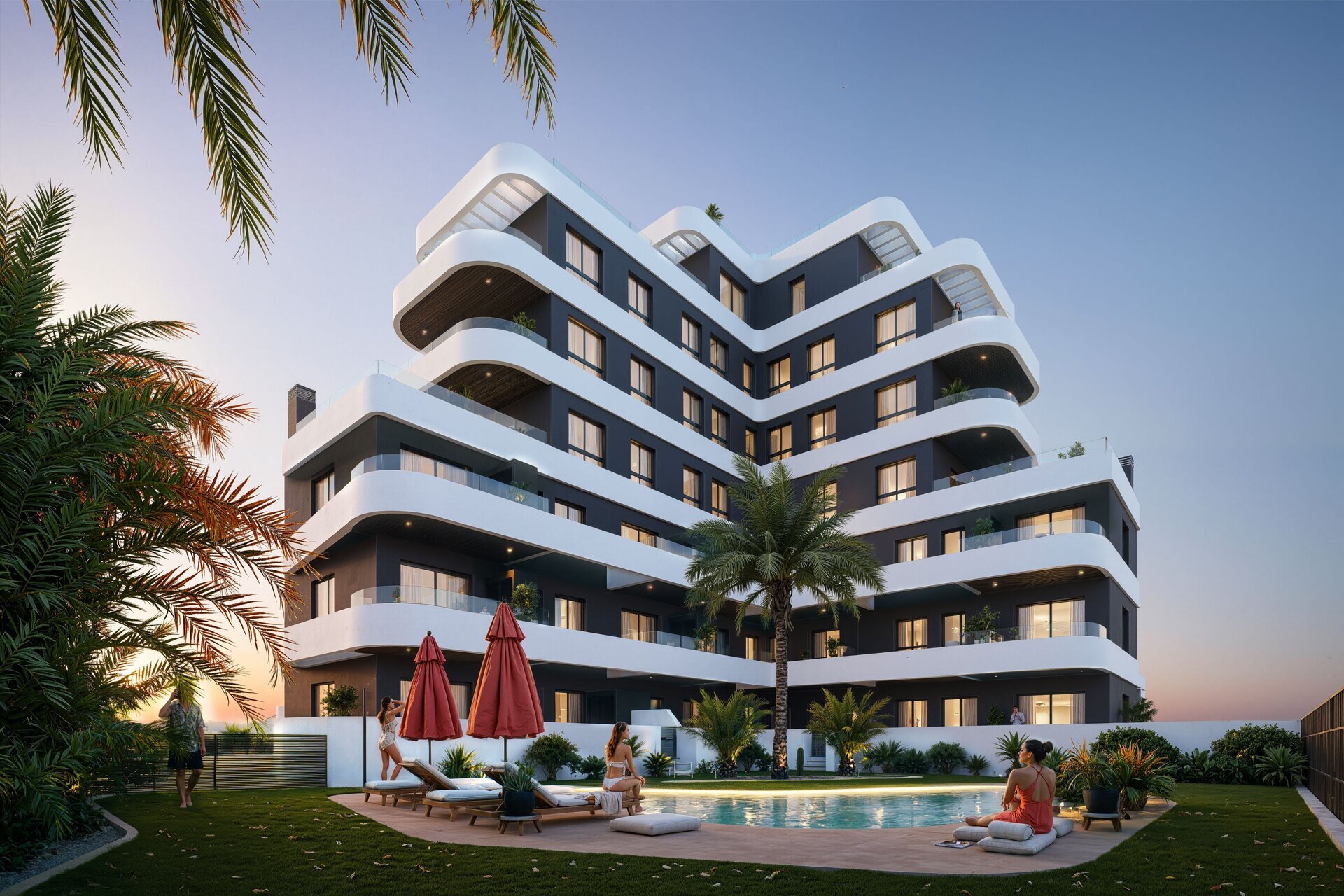
Buying a Holiday Home in Costa Blanca: A Complete Guide
Sunny Casas adds something the typical guides miss: our own Costa Blanca asking‑price data and a clear, local checklist for Alicante and Murcia rental licensing. To buy and invest here, set an investment budget (our 2026 median across 63 Costa Blanca towns is €2,791/m² — asking prices).
Get an NIE, sign a reservation (arras), have your lawyer check debts and licences, then sign at the notary and register. UK and other non‑EU owners can stay 90/180 days; short‑stay renting needs a regional licence.
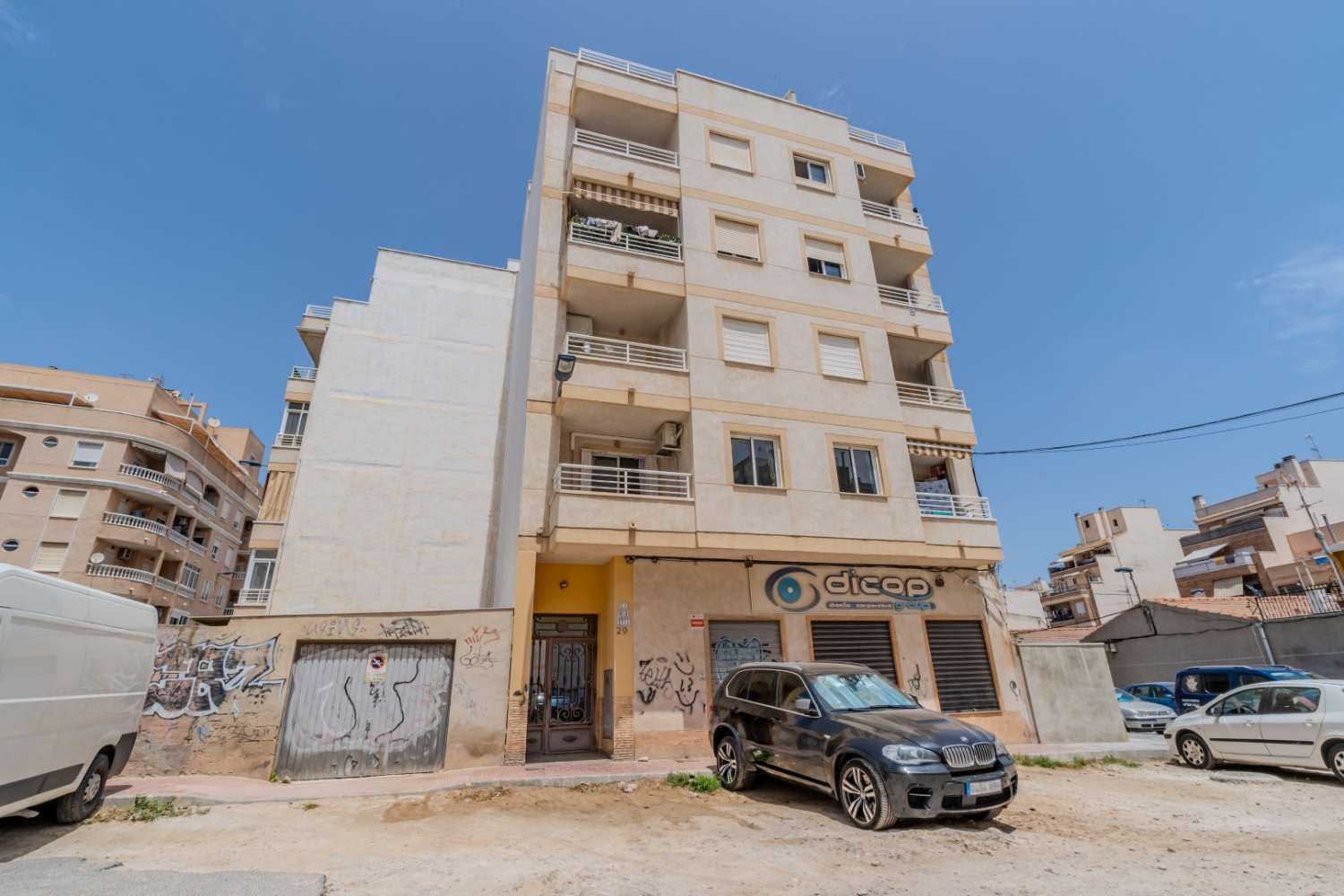
Why buy a holiday home on the Costa Blanca or Costa Cálida?
You get a warm Mediterranean climate, well‑priced coastal property, direct flights, and strong services. Our buyers choose Torrevieja, Orihuela Costa, Los Alcázares, Cartagena and Altea for beach life, golf and healthcare access. Spain also welcomes foreign property buyers: ownership is open to non‑residents, including UK citizens post‑Brexit.
What this means in practice
- Lifestyle: Long beach seasons, outdoor dining, and established expat communities in Villamartín, Ciudad Quesada, Camposol, and San Pedro del Pinatar.
- Access: Alicante–Elche Miguel Hernández airport and Región de Murcia International connect widely in Europe.
- Services: Public and private clinics; many English‑speaking doctors in larger towns.
- Market depth: From seafront apartments in Torrevieja to villas in Cabo Roig, townhouses in Playa Flamenca, and golf‑resort homes near La Manga Club.
- Clear rules: A Spanish notary oversees the deed (escritura) and you register title with the Land Registry, which you can verify via the Registrars’ website (nota simple) registradores.org. The notary’s role is explained by Spain’s notarial council at notariado.org.
Where to focus: towns and property types that work
Property management and use: pick your area
Pick your coast and micro‑area based on how you will use the property. Think beach days, winter stays, golf, or rental. Fold in local market data as part of your property search and future property purchases. On Costa Blanca (Alicante) and Costa Cálida (Murcia) you can match all four as property owners within 30–60 minutes’ drive when purchasing property and setting up property management.
| Aspect | Costa Blanca (Alicante) | Costa Cálida (Murcia) |
|---|---|---|
| Airports | Alicante-Elche (ALC) – Aena | Región de Murcia (RMU) – Aena |
| Signature water | Mediterranean beaches | Mar Menor lagoon + Mediterranean |
| Notable places | Alicante, Torrevieja, Orihuela Costa, Calpe, Benidorm, Altea, Jávea | Cartagena, La Manga, San Javier, San Pedro del Pinatar, Los Alcázares, Mazarrón, Águilas |
| Rental demand drivers | City + beach + theme parks, marina towns | Family‑friendly lagoon, sailing, golf resorts |
| New‑build pipeline | Strong along Orihuela Costa/Torrevieja | Strong in resorts and coastal towns |
Torrevieja and Orihuela Costa (Villamartín, La Zenia, Cabo Roig)
This zone carries a large inventory of apartments and townhouses near coves, promenades and golf (Villamartín, Las Ramblas, Campoamor). Torrevieja also has the salt‑lake microclimate and year‑round services. You’ll find many resale blocks with lifts, pools, and established owners’ communities.
- Patterns we see: holiday apartments around beaches like La Zenia and Playa Flamenca trade faster than inland stock in summer. Golf‑side homes rent best to golfers in spring/autumn.
- Due diligence tip: ask for the last 12 months of community minutes and fee receipts before you commit.
Explore actual stock on our pages for resale properties in Costa Blanca and villas for sale to avoid pitfalls.
Guardamar del Segura, Santa Pola and Alicante city (Playa San Juan)
North of Torrevieja, Guardamar and Santa Pola mix dunes, marinas and Spanish year‑round life on Spanish land, with branches of Spanish banks. Alicante city’s Playa San Juan has wide beaches, tram links and newer builds.
- City note: you can sometimes find small two‑bed apartments in Alicante city listed from about €70,000 on portals such as idealista. Availability changes by month, so check live listings on idealista.
- Paperwork tip: ask the seller for the occupancy certificate (cédula/licencia de ocupación) to evidence habitability before listing for tourist rental.
Northern Costa Blanca: Altea, Calpe, Jávea (Xàbia) and Dénia
These towns offer dramatic headlands, marinas, and detached houses on larger plots. Altea’s old town and seafront apartments draw winter sun seekers; Calpe and Dénia add sandy beaches and hiking.
- Build checks: hillside villas can have retaining walls and older pools; commission a structural survey to check foundations, waterproofing and electrics.
- Price anchors: our Costa Blanca asking‑price median across 63 towns is €2,791/m² (Sunny Casas listings data to 2026‑06‑01; asking prices, not sold). Most towns sit between €1,245 and €3,630/m².
Mar Menor & Cartagena: Los Alcázares, San Javier, San Pedro, La Manga
On Costa Cálida, the Mar Menor lagoon gives warm, shallow water ideal for families and sailing.
Common highlights around the Mar Menor
Los Alcázares and San Javier offer walkable centres; San Pedro del Pinatar has mud‑baths and boardwalks; La Manga del Mar Menor splits the lagoon and Mediterranean.
- Rentals: tourist stays here are seasonal; shoulder months can fill with kitesurfers and sailors.
- Licences: Murcia uses a “vivienda de uso turístico” registration. Alicante uses a similar “vivienda turística” registry. Apply before advertising.
Mazarrón, Camposol and Águilas
West of Cartagena, Puerto de Mazarrón has sandy bays and promenades. Camposol (a large urbanisation inland) offers detached villas at lower entry costs in this real estate market. Águilas sits near the Murcia–Almería border with coves and a marina.
- Golf/resort note: several communities in this corridor run strict façade and fence rules. Read community statutes before planning any change.
Property types explained
| Type | What you get | Costs and upkeep | Notes |
|---|---|---|---|
| Apartment | Lock‑up‑and‑leave, shared pool | Community fees; lower private upkeep | Easy for short stays; ask for lift and accessibility details |
| Townhouse | More rooms, often small garden | Community + private upkeep | Good for families; check party‑wall soundproofing |
| Detached villa | Private plot, parking, often pool | Higher upkeep; pool/garden costs | Suits longer stays; survey structure and drainage |
| Golf‑resort home | Gated, on‑site services | Community fees usually higher | Consistent standards; check resort rental rules |
| New‑build | Modern specs, warranties | IVA + AJD on purchase; snagging | See our new build properties |
| Resale | Established areas, quicker close | ITP on purchase; due diligence | Compare like‑for‑like on building condition |
Co‑ownership means two or more buyers make a property purchase and hold property title (e.g., as joint owners) under a private agreement that also sets local property prices context and annual property costs and property options. It is not a timeshare (a timeshare only grants use for set weeks, not full ownership). If you buy resale property together, have a notarised co‑ownership agreement to cover use, costs and exit.
How to find and compare holiday properties
Start with area shortlists and recent asking prices per m²; see our Buying a Holiday Home in Spain: The Guide for a simple checklist.
How to find properties on the ground
Walk the streets and compare sun orientation, noise, and access to beaches and services to find properties across your shortlist. Cross‑check legal status before you view an “affordable”.
Use this process
- Shortlist 2–3 towns (e.g., Torrevieja, Ciudad Quesada, Los Alcázares). Compare the asking‑price spread to our Costa Blanca median (€2,791/m² asking, Sunny Casas, 2026‑06‑01) to sense value banding.
- Scan portals (e.g., idealista) and our own inventory of resale homes. Save a dozen comparables and note building year, floor, lift, pool, and community fees.
- Verify legal basics early: match the advertised m² and boundaries on the cadastre map at Spain’s official cadastre portal sedecatastro.gob.es. Your lawyer will later pull a nota simple from the Land Registry to confirm owner, charges and boundaries via registradores.org.
- Plan viewings by cluster to learn micro‑areas: Villamartín vs. La Zenia; or Los Narejos vs. Los Alcázares centre. Want a step‑by‑step search checklist? See our guide to finding affordable homes on the Costa Blanca & Cálida — and why spain remains attractive for careful buyers when you avoid overpaying.
Buying a holiday home in Spain: process for non‑residents (including UK post‑Brexit)
Foreigners can buy in Spain with no additional permit. The core steps in Spain buying are, as Spain continues to attract buyers: get an NIE number, instruct an independent lawyer, sign a reservation/arras, and complete due diligence. Then sign the deed (escritura) before a Spanish notary as part of buying property in Spain, which spain offers to residents and non‑residents; register title with the Land Registry across Spain under rules set by the Spanish government.
UK citizens keep visa‑free access for up to 90 days in any 180‑day period.
Standard stages
NIE (Número de Identidad de Extranjero). This is your Spanish tax ID. You can apply in Spain or at a Spanish consulate; see Spain’s foreign ministry pages at exteriores.gob.es.
Funding. Prepare proof of funds or mortgage pre‑approval. Non‑resident mortgages exist; banks assess income and loan‑to‑value (LTV). The LTV is the loan as a percentage of the property value.
Reservation and arras. A reservation holds the home while your lawyer runs checks. The penal arras contract sets consequences if either party withdraws; see the Civil Code for deposit rules at boe.es. The deposit amount is negotiable.
Due diligence. Your lawyer checks debts, licences, cadastre/registry matches, and community fee status. In Spain, debts such as mortgages or unpaid community fees can attach to the property; the nota simple from registradores.org shows registered charges.
Completion at notary. You sign the deed (escritura) before a notary, pay the balance, and receive keys. Notaries outline their role at notariado.org.
Registration and utilities. Your lawyer files taxes due, registers the deed at the Land Registry, and arranges utility changes.
Documents you’ll need
You will usually provide
- Passport and NIE.
- Proof of address and funds; bank statements or loan offer.
- Spanish bank account (many payments require a Spanish IBAN).
- Seller’s documents to review: title (escritura), latest IBI property‑tax receipt, proof of no community‑fee arrears, occupancy certificate (cédula/licencia de ocupación), and utility bills.
- If buying with partners, sign a co‑ownership agreement and decide how you hold title. A power of attorney can let your lawyer sign on your behalf at the notary; notaries explain POA use at notariado.org.
Why commission a structural survey
A private technical survey can reveal damp, roof issues, overloaded electrics or unlicensed extensions that are not obvious on a viewing. Use findings to price works or negotiate remedies. A survey also checks that any pool, pergola or extension aligns with municipal records; mismatches can affect tourist‑rental licensing or future saleability.
Costs, financing and taxes: set a realistic budget
Your budget must cover the price, taxes (different for resale vs. new build), notary and registry fees, legal fees, and any mortgage or valuation fees; speak with agents or, for a broader view, read Buy Real Estate in Spain: Guide for 2026 Buyers. Tax rates vary by region and can change; confirm them with your lawyer and the relevant tax authority before you sign anything.
Key points
- Resale homes: pay Property Transfer Tax (ITP). Rates are set by each autonomous community (Valencian Community for Alicante; Region of Murcia for Murcia). Your lawyer will confirm the current rate and any reduced brackets.
- New builds from a developer: pay VAT (IVA) and Stamp Duty (AJD). IVA on residential property has commonly been 10% in Spain, but always confirm the current rate with the Spanish Tax Agency at sede.agenciatributaria.gob.es. AJD is regionally set.
- Notary and Land Registry: fees scale with price and document length. The notarial system and registration are explained at notariado.org and registradores.org.
- Legal and gestoria: ask for a written fee quote. Your lawyer also files taxes and registers the deed.
- Ongoing costs: municipal IBI property tax, waste (basura), community fees (if applicable), utilities, insurance. Ask the seller for the last IBI and community receipts to estimate.
- Paying in cash? See our practical checklist for buying a property in Spain with cash.
| Factor | New‑build | Resale |
|---|---|---|
| Taxes at purchase | 10% VAT (Agencia Tributaria) + AJD at regional rate | ITP at regional rate (GVA/ATRM) |
| Delivery | Off‑plan or key‑ready | Immediate on completion |
| Warranties | Building defects cover under Spanish law | None beyond seller disclosures |
| Rental start | After completion and tourist licence | Possible sooner if building/area allows |
| Fit‑out | Choose finishes; furnish from scratch | Existing kitchens/AC; may need upgrades |
Market snapshot and affordability in our area
Our first‑party data shows a Costa Blanca asking‑price median of €2,791/m² across 63 towns we list in (asking prices, not sold; Sunny Casas, 2026‑06‑01). Most towns cluster between €1,245 and €3,630/m². That spread lets you choose seafront convenience or better value a few blocks inland.
Useful context
- Foreign demand: in 2023, foreign buyers made about 15% of purchases in Spain (over 87,000 homes), according to Spain’s registrars registradores.org. Alicante and Murcia are consistently among the provinces with the highest foreign‑buyer activity.
- Price discovery: compare any target home’s asking €/m² with recent listings on idealista and with the official house price index trends at Spain’s statistics institute ine.es. This helps you anchor offers without relying on hearsay.
OUR asking price per m² in Torrevieja: ~€2,777/m² — the median across the 604 of our 637 active listings there that carry both a price and a size. This is our own live stock, measured today; no competitor or SEO tool has this number.
Reference median for the area: ~€2,548/m² — a THIRD-PARTY asking-price figure, dated 2026-05-01, NOT our data. Prefer our own number above; use this as a wider market reference.
Buying property: deeper legal steps and guide
If you want deeper legal steps to buy property, and context on property prices, as a resident or a non‑resident, see our 2026 Spain property buying guide.
Spain property market: timelines, documents, market context, property type choices, and common pitfalls.
Renting out your holiday home: licences and taxes
Short‑term tourist renting is regulated.
Currency and tourist registration
If you’re planning on buying property to let short‑term, you must register the property for tourist use with the regional tourism authority (Valencian Community for Alicante; Region of Murcia for Murcia). Include the registration number in adverts and any sale listing or via an estate agent. Factor in property taxes when you set rates and budgets; your lawyer will confirm current local rules. Communities of owners can set internal rules, so check statutes before you buy.
Tax and compliance basics
- Non‑resident owners declare rental income under Spain’s Non‑Resident Income Tax (IRNR). Forms and guidance are on the Spanish Tax Agency’s site sede.agenciatributaria.gob.es.
- You may need to file guest data with the police and meet safety and habitability standards for licensing. Your lawyer will confirm current requirements in your municipality.
- Tourist taxes, if any, are set at regional/municipal level and can change; confirm with your lawyer before you start renting. Remember: Sunny Casas is a sales agency; we do not provide rental‑management services.
Visas and stays holiday use versus residency
Owning in Spain does not grant residency. UK and other non‑EU nationals can stay up to 90 days in any rolling 180‑day period without a visa under Schengen rules. Spain’s foreign ministry explains entry and visa categories for the country at exteriores.gob.es.
Financial criteria for longer stays
For longer stays for real estate buyers, options include a Non‑Lucrative Visa (for retirees with sufficient income) or other residence permits. Always check current financial criteria on exteriores.gob.es.
Insurance for second homes on the coast
Insure the building and contents, and consider public‑liability cover if you host guests. Ask about water ingress, wind, and salt‑air corrosion exclusions, and whether communal structures are already covered by the association’s master policy.
Sol exposure on the coast
Second‑home policies with holiday‑let extensions are available. Review sample cover limits and perils with a specialist provider or estate agents (overview pages such as Intasure) to avoid real gaps in cover when buying property to let.
Pitfalls we help buyers avoid
- Unregistered works: a covered terrace or pool not shown in the cadastre or licence can block tourist licensing. Match deeds, cadastre and town‑hall records early via sedecatastro.gob.es and your lawyer.
- Community restrictions: some communities ban holiday lets or external units. Read statutes and minutes before you reserve.
- Coastal‑zone checks: if a home sits close to the shore, your lawyer should check compliance with Spain’s coastal law on boe.es.
- Debts that follow the property: mortgages and some municipal charges travel with the title. Order a nota simple from registradores.org and request unpaid‑debt certificates.
- Rushing the arras: the Spanish Civil Code allows penal arras; get legal review before you sign so financing or survey conditions are reflected.
How to start from shortlist to keys
- Define your use‑case, budget and top 3 towns.
- Browse and save comparables from portals and our live stock of resale homes, new builds, and villas.
- Read our complete guide to buying in Costa Blanca & Cálida.
- Line up a lawyer and get an NIE.
- Book viewing days; we group tours by micro‑area for efficient comparison.
- Reserve with a well‑drafted arras, complete due diligence, then sign at the notary.
- Moving on from an existing place? We also handle sales — request a free valuation to sell your Spanish property.
See Also